Meadowood sits close to the heart of Madison, and that means when severe weather rolls through Dane County, this neighborhood feels it alongside every other part of the city. Hailstorms in Wisconsin aren’t rare events. They’re a seasonal reality that catches drivers off guard more often than not, leaving behind dented hoods, dimpled roofs, and surface damage that looks overwhelming at first glance. If you’ve been looking into auto hail damage repair in Meadowood, Madison, WI, this guide breaks down what you’re dealing with, what the best repair method looks like, and how to navigate the insurance process without it becoming a part-time job.
How Hail Damage Adds Up Faster Than You’d Think
One of the most common surprises for drivers inspecting their vehicle after a storm is the total dent count. Hail doesn’t create one or two isolated dents the way a shopping cart or a stray rock does. A single storm event can produce dozens to hundreds of individual impact points distributed across the hood, roof, trunk lid, fenders, and door panels simultaneously.
The size of the hailstones matters a lot here. Small hailstones in the pea-to-marble range create shallow, wide dents that can be difficult to see in standard lighting but show up clearly under specialized inspection lights. Larger hailstones create more visible, more dramatic dents that can involve some paint stress around the edges of the impact point. Either way, the cumulative effect across a full vehicle is significant, and the total scope of the damage often isn’t apparent until a trained technician does a proper panel-by-panel assessment.
What drivers don’t always anticipate is the downstream effect of leaving this damage unaddressed. Paint that sits stretched over a dent develops small fractures over time. Those fractures let moisture reach bare metal, and moisture on bare metal leads to rust. The National Weather Service consistently tracks hail as one of the most damaging severe weather events for personal property in the United States, and vehicles account for a major portion of that annual tally. A storm that seems minor in the moment can create repair costs that compound quickly if action is delayed.
PDR vs. Traditional Body Shop Repair: Understanding the Difference
When drivers start looking into repair options, two main paths come up: paintless dent repair (PDR) and conventional body shop repair. Understanding the difference between them helps you make an informed decision and avoid spending more than you need to.
Traditional body shop repair involves sanding down the damaged area, applying filler to reshape the surface, and repainting the affected panels. This process works well for collision damage where metal has been pushed in sharply or crumpled in ways that PDR can’t address. For hail damage specifically, it’s almost always the wrong approach. Hail creates shallow, circular dents across wide areas of the vehicle, and repainting those panels introduces problems that the original damage didn’t create. Repainted panels never match the factory finish exactly, and any vehicle with documented repaint work loses value in the eyes of buyers and vehicle history platforms.
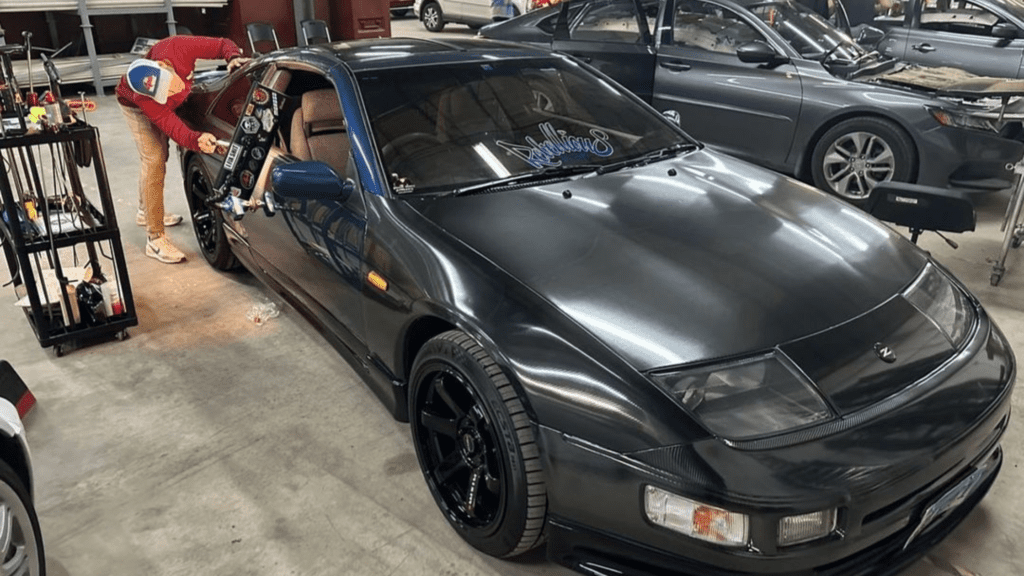
Paintless dent repair, by contrast, works entirely within the original structure of the vehicle. A trained technician accesses the back side of each damaged panel using precision metal rods, then carefully applies pressure to push the metal back to its original profile. No filler, no paint, no shortcuts. The factory finish stays exactly as it was. This method is faster, less invasive, and better for the vehicle’s long-term value, which is why automotive hail damage repair professionals use it as their primary technique.
The Insurance Information Institute notes that comprehensive auto coverage, the type that covers hail and other weather events, is one of the most frequently used policy provisions after major storm seasons. Insurance carriers often prefer PDR for hail claims precisely because it produces reliable results at a lower cost than full panel repaints, which works in the driver’s favor as well.
Navigating the Insurance Process After a Storm
For most drivers, the insurance component of hail damage repair is the part that feels most uncertain. Here’s how it actually works.
Hail damage falls under comprehensive coverage, not collision. That distinction matters because filing a comprehensive claim for weather damage doesn’t carry the same rate implications as an at-fault accident claim. Your premium history shouldn’t take a hit for something a storm caused.
The process typically starts with contacting your insurance carrier to report the damage and open a claim. An adjuster will then review the damage, either in person or through a digital photo submission process, depending on your carrier. This is where having documentation from a professional hail inspection becomes valuable. A shop that provides written damage reports with photo documentation gives your adjuster everything needed to process the claim accurately and quickly.
The most efficient path for most Meadowood drivers is working with an auto hail repair shop that handles insurance coordination directly. Rather than serving as a messenger between the shop and your carrier, you hand off that communication to people who speak the adjuster’s language and know what documentation is required. It significantly reduces the time and frustration involved on the driver’s end.
One important question to ask your carrier upfront is whether they offer direct payment to the repair shop or if they issue the check to you first. Understanding the payment flow before work begins prevents surprises at pickup.
What a Thorough Hail Inspection Should Cover
The inspection is the foundation of the entire repair process, and a cursory look over the vehicle in normal lighting doesn’t qualify. Here’s what a proper hail inspection includes.
A trained technician uses specialized LED lighting equipment that creates a controlled reflection across the panel surface. This lighting system reveals dents that are completely invisible under standard daylight or overhead shop lighting. Every horizontal and semi-horizontal panel gets examined: hood, roof, trunk lid, fenders, doors, side mirrors, and any trim pieces that may have cracked or shifted under impact.
The inspection should produce written documentation that includes a panel-by-panel damage report and photo evidence. This documentation serves two purposes: it provides the insurance adjuster with an accurate basis for the claim, and it gives the driver a clear picture of what the repair entails and what the timeline looks like.
If any secondary damage exists, such as cracked trim, dislodged rubber seals, or broken mirror housings, a thorough inspection catches those as well. Addressing everything in a single repair event is more efficient than bringing the vehicle back for secondary issues that get discovered after the main work is done.
The inspection also identifies whether any individual dents involve paint damage. Dents where the paint has cracked or separated may require supplemental treatment beyond standard PDR, and knowing that upfront allows for accurate repair planning before work begins.
Serving Meadowood and the Surrounding Madison Area
Location has a real effect on how quickly drivers can access repairs after a storm. When a hail event hits Dane County, every quality repair shop in the region fills up within days. Drivers who schedule early get earlier start dates. Those who wait often discover they’re looking at a weeks-long delay.
Meadowood’s position within Madison means that drivers here have access to nearby services without the need to drive across the city to get quality auto body hail damage repair. Reducing that logistical friction matters when you’re already managing an unexpected repair situation on top of a normal schedule.
A team familiar with Madison’s storm patterns also understands the types of hail events Dane County produces, the vehicle inventory common to this part of the city, and the pace at which post-storm demand builds. That context shapes how they schedule, staff, and prioritize work after major weather events, which ultimately benefits drivers who come to them first.
Conclusion
Hail damage in Meadowood doesn’t wait for a convenient time to show up, and neither should your response to it. Acting quickly after a storm means faster insurance processing, earlier repair appointments, and less time with a damaged vehicle sitting in your driveway. Auto hail damage repair in Meadowood, Madison, WI, done right means working with a team that assesses damage thoroughly, coordinates insurance professionally, and completes repairs using a method that preserves your vehicle’s original finish and long-term value.
About The Hail Group
The Hail Group provides expert paintless dent repair for hail-damaged vehicles throughout Meadowood and greater Madison, WI. From the free hail inspection through to the final panel walkthrough, their team manages the entire process, including direct insurance coordination, so drivers can focus on their day instead of paperwork. Their commitment to preserving factory finishes and delivering fast, quality results makes them the shop Meadowood drivers trust after a storm. Book your free hail inspection at ushailgroup.com.
Frequently Asked Questions
What counts as hail damage for an insurance claim?
Any denting, cracking, or paint damage caused by hailstones during a storm qualifies as hail damage under comprehensive auto coverage. Even shallow dents that seem minor can be included in a claim, particularly when they appear across multiple panels. A professional inspection documents all of it accurately for your adjuster.
Is paintless dent repair available for all vehicle makes and models?
PDR works on the vast majority of vehicles, including most domestic and import makes. Both steel and aluminum panels can be treated with PDR, though aluminum requires specific tool techniques. A technician will confirm during the inspection whether any panels on your specific vehicle need a different approach.
How do I know if my car has hail damage after a storm?
Some hail dents are obvious under normal light, but many aren’t. Running your hand slowly across the hood and roof panels can reveal subtle dents you can’t see easily. The most reliable way to assess damage is a free hail inspection with specialized lighting, which reveals every impact point regardless of size.
Will my insurance rates go up if I file a hail damage claim?
Hail damage falls under comprehensive coverage, which covers weather-related events outside your control. Comprehensive claims generally do not affect your premium the way at-fault collision claims do. Checking your specific policy’s terms with your agent is always a good idea before filing.
How close is the nearest hail repair service to Meadowood?
The Hail Group serves Meadowood and the broader Madison area, making professional hail repair highly accessible to drivers in this neighborhood without a long drive across the city.

Josh Jones has been a pivotal part of The Hail Group for over 8 years, bringing his expertise in automotive repair, particularly in hail damage and Paintless Dent Repair (PDR). With a background in both technical and customer-facing roles, Josh is passionate about providing clear, informative content to help consumers make informed decisions about their vehicle maintenance. His goal is to simplify complex topics and ensure that every reader walks away with practical knowledge.
