
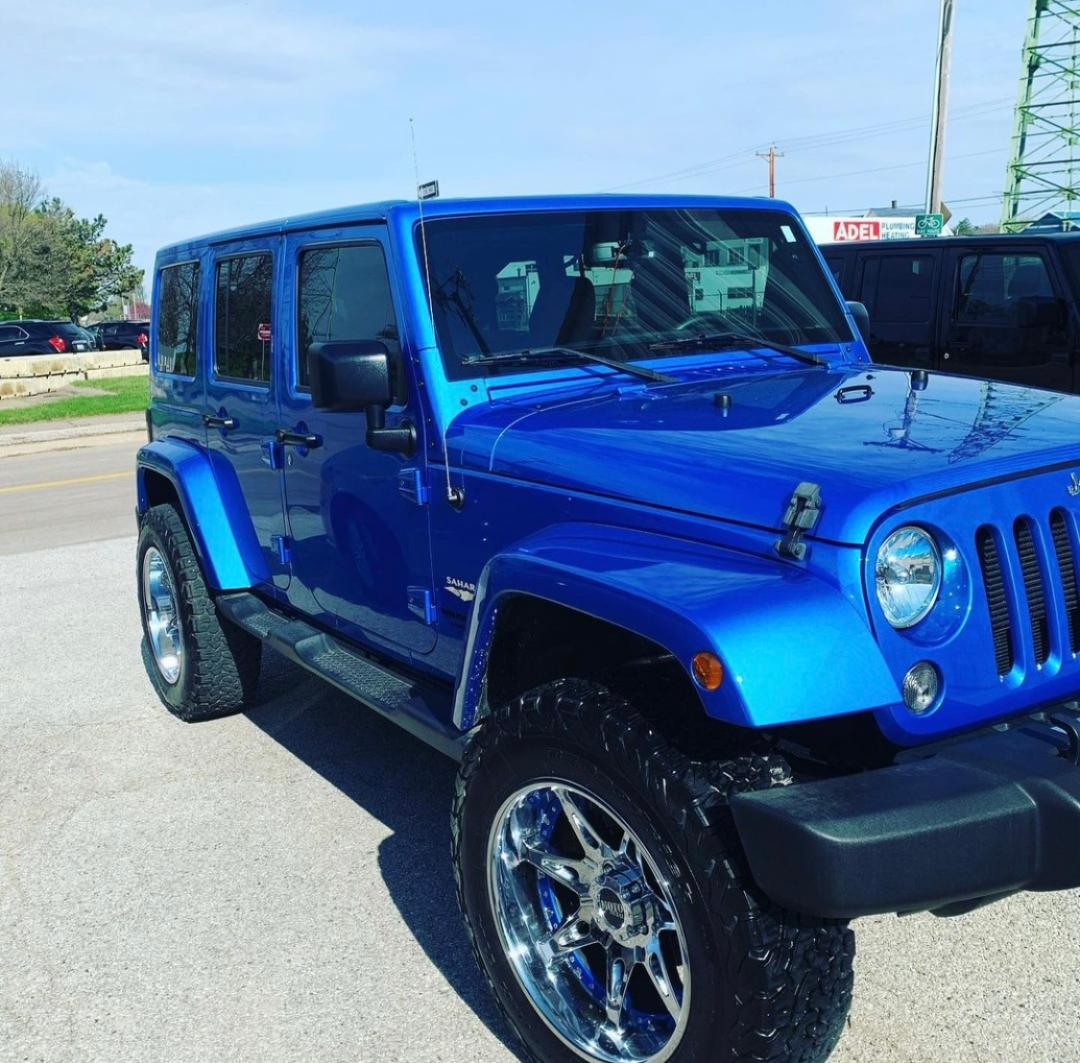
Not every hail dent announces itself with an obvious crater across your hood. Plenty of Kansas City drivers walk right past real damage in a parking lot because the dimples are too shallow to catch in flat daylight. Learning what to actually look for, and why waiting matters, can save you both money and hassle before small dents turn into bigger problems.
Visible Dents Are Only Part of the Story
Shallow dimples scattered across the hood, roof, and trunk are the most obvious sign of hail damage, but they are far from the only one. Angled sunlight, or a flashlight held low across the surface of a panel at dusk, reveals dents that are invisible when you look straight down at the car in ordinary daylight. Our page on how to check your car for hail damage walks through the exact lighting angles that expose damage most drivers miss on their own.
Side mirrors, door edges, and the pillars between windows are notorious hiding spots for small dings, since drivers rarely inspect those areas closely. A vehicle that looks untouched from ten feet away in the driveway can still have real, insurance-eligible damage once you get a proper light on it. Taking the extra few minutes to walk the full perimeter of the vehicle, rather than glancing only at the hood and roof, is the single easiest way to avoid missing damage entirely.
How Hail Size Changes What You Should Look For
Pea-sized hail tends to leave shallow, widely spaced dimples that are easy to miss entirely without the right lighting, while golf ball-sized or larger hail creates deeper, more obvious damage along with a higher chance of cracked glass and torn trim. Knowing roughly how large the hail was during a given storm can help you judge how carefully you need to inspect the vehicle afterward.
Larger hail also increases the odds of damage to soft parts of the vehicle that people rarely think to check, including plastic cowl panels, wiper blades, and exterior trim pieces. A storm producing hail the size of quarters or bigger is generally worth a full professional inspection rather than a quick self-check in the driveway.
Signs Beyond the Bodywork
Hail damage is not limited to dents. Larger hailstones can crack or chip windshield glass, and it is worth having your windshield checked alongside the rest of your vehicle after any significant storm. The roof deserves particular attention too, since it takes the most direct hits during a hailstorm and can hide damage that is easy to miss from the ground. Our hail damage roof inspection guide explains what a thorough roof check actually involves.
Small paint chips are another sign worth taking seriously, even when they look cosmetic at first glance. Exposed metal underneath a chip can begin rusting within weeks in Missouri’s humid summers, turning a minor cosmetic issue into a more expensive repair if it sits untreated, so it is worth flagging any chip you notice to your technician during the same visit rather than treating it as a separate, lower priority issue.
Areas Owners Commonly Overlook
The area just above the windshield, sometimes called the cowl panel, takes a surprising amount of hail impact but sits low enough that drivers rarely think to check it. Roof rails, sunroof tracks, and the thin strip of metal between a sunroof and the surrounding roof panel are similarly easy to overlook during a casual walk around.
Door edges and the tops of side mirrors deserve a second look too, since their curved surfaces can hide small dents that a flat panel would show more obviously. A professional inspection covers all of these spots systematically, which is one of the biggest advantages of having a trained technician look the vehicle over rather than relying entirely on a driveway self-check.
Why Waiting Makes Things Worse
Insurance companies generally give policyholders roughly a year to file a hail claim, but waiting that long is rarely a good idea. Rust from exposed paint chips can spread well before that window closes, and insurance claims filed many months after a storm tend to face more scrutiny, since adjusters have a harder time confirming the damage matches a specific weather event.
Dents left unresolved for a long stretch of time can also become slightly harder to correct, since repeated temperature swings and continued exposure can work against the metal’s memory. Paintless dent repair works best on relatively fresh damage, which is one more reason to address hail dents sooner rather than later.
What a Professional Inspection Adds That a DIY Check Cannot
A driveway self check with a flashlight is a great first step, but it has real limits compared to what a trained technician can spot using specialized reflection boards designed specifically for this kind of work. Those boards reveal the full depth and shape of a dent in a way that ordinary household lighting simply cannot replicate.
A professional inspection also produces documentation you can hand directly to your insurance company, which carries far more weight than a personal list of dents you noticed at home. That documentation becomes especially valuable if your claim is ever questioned or if the extent of the damage is disputed by an adjuster.
When to Book a Professional Inspection
Get your vehicle inspected as soon as possible after any storm that produced hail larger than a dime, even if the damage looks minor from a distance. It is also worth scheduling an inspection before selling or trading in a vehicle, since undisclosed hail damage can significantly reduce a dealer’s offer once they spot it themselves.
Anytime your paint feels rough to the touch, or shows fine cracking when you look closely under bright light, that is a sign worth having checked regardless of how recently a storm passed through. The general auto hail damage repair page on our site covers what a full vehicle assessment includes from start to finish, and it is a useful reference to keep in mind heading into each new storm season.
Documenting Damage With Your Phone Before a Professional Visit
Before you ever bring your car in, a few minutes with your phone camera can make a real difference in how smoothly your claim moves forward. Take wide shots of every side of the vehicle, then closer shots of any panel where you notice dimples or discoloration, ideally in the kind of low-angled light that reveals shallow dents most clearly.
Note the date of the storm and, if you remember it, roughly how large the hail appeared to be, since insurers sometimes ask for these details when processing a claim. This kind of simple, timestamped documentation gives your repair shop a helpful starting point and gives you a personal record if any question comes up later about when the damage occurred.
How Auto Insurance Differs From Homeowners Insurance for Hail Claims
It is easy to assume hail damage to your car and hail damage to your roof fall under the same type of coverage, but they actually run through entirely separate policies. Vehicle damage falls under your auto policy’s comprehensive coverage, while damage to your home’s roof or siding falls under your homeowners policy.
This distinction matters because the deductibles, claim processes, and even the contractors involved are completely different between the two. If a single storm damaged both your car and your roof, you will likely be filing two separate claims with potentially two different insurance companies, so it helps to keep the documentation for each clearly organized from the start.
Seasonal Patterns Worth Watching in Kansas City
Kansas City’s hail season tends to ramp up in April, peak through May and June, and taper off by late summer, though isolated storms can still occur outside that window. Paying attention to local severe weather forecasts during these peak months gives you a better chance of moving a vehicle under cover before a storm hits, and it also means being mentally prepared to check for damage promptly after any significant storm passes through.
Drivers who park outside regularly, whether due to apartment living or a lack of garage space, benefit most from staying alert during this stretch of the year. A vehicle cover or even a temporary carport can meaningfully reduce the odds of significant damage during the region’s most active hail months. Our page on how you can protect your car from hail covers a few additional practical steps worth considering before the next storm rolls through.
How Vehicle Color and Finish Affect Visibility of Damage
Darker vehicles, particularly black and dark gray paint, tend to show hail dents more readily under direct sunlight because the shadows cast by each dimple stand out more sharply against a dark, glossy surface. Lighter colors like white or silver can actually hide shallow dents more effectively, which means owners of lighter colored vehicles need to be even more deliberate about checking under angled light.
Matte and satin finishes present their own challenge, since they scatter light differently than a traditional glossy clear coat and can make dents harder to spot with a casual glance. Regardless of your vehicle’s paint finish, the same principle applies: checking under low, angled light rather than flat overhead sunlight will always reveal more than a quick daytime glance.
What Happens During an Adjuster’s Visit
If your insurance company sends an adjuster to inspect the vehicle in person rather than relying on your shop’s photos, it helps to know what that visit typically involves. The adjuster will usually walk the vehicle with their own lighting equipment, counting dents and assessing severity using criteria similar to what a repair shop uses.
It is worth having your repair shop present during this visit whenever possible, since a technician can point out damage the adjuster’s equipment might miss and can immediately address any questions about the proposed repair method. If a shop is not available to attend in person, ask whether they can review the adjuster’s report afterward and flag any discrepancies before the claim is finalized.
What to Do if You Spot Damage While Traveling
If a hailstorm catches your vehicle while you are traveling away from Kansas City, the same basic steps still apply, though the logistics look a little different. Take thorough photos of the damage as soon as it is safe to do so, note the date and general location of the storm, and contact your insurance company to start the claims process even before you get home.
Once you return to Kansas City, a local shop can complete the inspection and repair using the documentation you already gathered on the road. Most insurers do not require the repair to happen in the same location as the storm, so there is no need to rush a repair somewhere unfamiliar when you can have the work done by a shop you trust once you are back home.
How Multiple Storms in One Season Complicate Documentation
Kansas City occasionally sees more than one significant hail event within the same season, and this can genuinely complicate the claims process if a vehicle already carrying unrepaired damage from an earlier storm gets hit again. Adjusters and repair shops both rely on documentation to separate damage from one event versus another, so getting a vehicle repaired promptly after the first storm helps avoid this problem entirely.
If your vehicle does end up with damage from two separate storms before you get a chance to repair it, be upfront with both your insurer and your repair shop about the timeline. A shop experienced with hail claims has likely handled this exact situation before and can help document which dents correspond to which storm based on size, pattern, and location on the vehicle.
Building a Habit Around Storm Season Checks
The drivers who avoid the biggest headaches with hail damage are usually the ones who build a simple habit of checking their vehicle after any storm producing hail, rather than waiting until damage becomes obvious weeks or months later. A quick walk around with a flashlight takes only a few minutes and can be done the same evening a storm passes through.
Pairing that habit with a standing relationship with a trusted local shop, one you already know and have used before, removes a layer of decision-making from an already stressful situation. Knowing exactly who to call the moment you spot a dimple in your hood makes the entire process feel far more manageable, and it turns what could be a stressful scramble into a quick, familiar phone call.
The Bottom Line for Kansas City Drivers
Hail damage is common enough in this region that most vehicles will encounter it eventually, and learning to spot the signs early is one of the simplest ways to protect both your vehicle’s condition and its long-term value. A few minutes of careful inspection after any significant storm can save considerable time, money, and hassle down the road, and it puts you back in control of a situation that otherwise feels entirely dictated by the weather.
Make Inspection Part of Your Storm Routine
Building a quick post-storm inspection into your regular routine costs almost nothing and takes only a few minutes, yet it consistently saves Kansas City drivers from bigger repair bills and denied or underpaid claims down the line. Treat it the same way you would check your tire pressure after a long trip, a small habit that protects a much bigger investment. Over the course of several storm seasons, that habit alone can add up to real savings in both time and money.
Conclusion
Catching the early signs makes auto hail repair in Kansas City faster, less expensive, and far more likely to be fully covered by insurance. A five minute inspection with the right lighting can save you from a much bigger repair bill down the road.
Get Started
The Hail Group offers thorough, no-pressure vehicle checks so Kansas City drivers know exactly what they are dealing with after a storm. Schedule a free hail inspection and get clear answers within the week.
Frequently Asked Questions
How do I check my own car for hail damage?
Walk around the vehicle in low, angled light, such as early morning sun or a flashlight held close to the panel at dusk, since flat daylight tends to hide shallow dents.
Can small dents get worse over time?
Yes, especially if the paint around the dent is cracked, since moisture can reach the exposed metal and lead to rust.
Is a cracked windshield covered under a hail damage claim?
Often yes under comprehensive coverage, though the specifics vary by policy, so it is worth confirming with your insurer directly.
How soon after a storm should I get my car inspected?
Within a few days is ideal, both to catch rust risk early and to stay well within your insurer’s claim filing window.
Do all hail dents need to be repaired right away?
Not urgently in every case, but earlier repair is generally easier, cheaper, and more likely to be covered in full by insurance.

Josh Jones has been a pivotal part of The Hail Group for over 8 years, bringing his expertise in automotive repair, particularly in hail damage and Paintless Dent Repair (PDR). With a background in both technical and customer-facing roles, Josh is passionate about providing clear, informative content to help consumers make informed decisions about their vehicle maintenance. His goal is to simplify complex topics and ensure that every reader walks away with practical knowledge.
