A day or two after a hailstorm rolls through the West Valley, something else rolls in right behind it. Flyers appear under windshield wipers. Strangers knock on doors offering same-day repairs. Pop-up tents show up in shopping center parking lots with big banners promising to make your dents disappear.
Some of those crews do good work. Many don’t have much hail experience at all, and a few disappear as soon as the storm business dries up. Choosing auto hail repair Glendale technicians with real hail experience protects your car, your insurance claim, and your peace of mind. This guide explains what that experience looks like and how to check for it before you hand over your keys.
Hail Damage Is Its Own Specialty
Fixing a single door ding and repairing a hail-damaged car might sound like the same job. They aren’t.
A door ding usually means one dent in an easy-to-reach spot. Hail damage can mean fifty, a hundred, or even more dents spread across the hood, roof, trunk lid, and pillars. The dents vary in size and depth, and many sit in hard-to-reach areas like roof rails and braced sections of the hood.
Repairing that much damage consistently takes a different level of skill. A technician has to fix every dent to the same standard, keep track of the full count for insurance, and avoid overworking the metal over hours of repetitive pushing. They also need to know when a dent falls outside what paintless dent repair can handle.
General body shops often don’t specialize in this work. They may send hail cars out to subcontractors or default to sanding and repainting. A dedicated hail specialist spends their days on exactly this kind of damage.
The Storm Chaser Problem
Hail hits Arizona less often than it hits Colorado or Texas, but when a strong monsoon storm drops hail on the Valley, the damage can be widespread. Monsoon season runs from June 15 through September 30, according to the National Weather Service, and storms during that window can build quickly and hit hard.
Widespread damage attracts traveling repair crews, often called storm chasers. They follow hail events from state to state, set up temporary operations, and move on once work slows down.
That model creates real problems for car owners.
- Warranty claims get hard to chase. If a repair fails months later, the crew may be several states away.
- Follow-up repairs stall. Hidden damage often turns up after trim comes off, and someone needs to handle the supplement with your insurer.
- Pressure tactics show up. Some crews push owners to sign over insurance checks or authorize work on the spot.
Not every out-of-town technician is a bad actor. Still, a company with a lasting local presence gives you someone to call long after the storm.
Signs a Technician Has Real Hail Experience
Experience shows up in ways you can check. Look for a few clear signals.
Years of hail-specific work. Ask how long the technician has focused on hail repair, not just dent repair in general. Someone who has worked through many storms has seen a wide range of damage patterns and panel types.
A gallery of hail repairs. Experienced shops usually keep photos of their past work. A before-and-after gallery lets you judge the quality of finished panels yourself.
Comfort with high dent counts. Ask about the largest hail jobs they’ve handled. A technician who has restored cars with hundreds of dents can handle your hood with confidence.
Aluminum experience. Many newer trucks and SUVs use aluminum panels, which take more care than steel. Experienced technicians know how to work aluminum without cracking or stretching it.
Clear, patient explanations. A real specialist can explain the repair process in plain language. If someone can’t tell you how they’ll fix your car, they may not know.
Questions Worth Asking Before You Commit
A short conversation can tell you a lot. Before you agree to any repair, ask:
- How many hail-damaged vehicles have you repaired? Look for a confident, specific answer.
- What warranty do you offer, and for how long? A written warranty matters. Ask what it covers and who honors it.
- Do you work directly with insurance adjusters? A shop that handles adjuster communication saves you time and stress.
- Will any panel need sanding or paint? You want to know upfront whether the shop plans conventional work on any part of the car.
- Where is your business based? A local address and a track record in the area mean you have someone to call later.
Pay attention to how they answer, not just what they say. Experienced technicians tend to give direct answers and don’t mind questions.
Why Insurance Know-How Matters
Hail repairs almost always involve an insurance claim, and that’s where experience can save you real headaches.
Hail damage usually falls under the comprehensive part of an auto policy. Your adjuster writes an initial estimate, often based on a quick look at the car. That estimate frequently misses dents, especially on the roof and on panels with glare.
An experienced hail technician documents every dent in detail, panel by panel. When they remove trim and find additional damage, they file a supplement with your insurer to cover it. They also speak the same language as adjusters, which helps avoid disputes over repair methods and costs.
According to the Insurance Information Institute, hail causes billions of dollars in insured losses across the country each year. Insurers handle a huge volume of these claims, and a technician who knows the process keeps yours moving.
Red Flags to Walk Away From
Some warning signs should end the conversation right away.
- Demands for full payment upfront. Reputable shops don’t ask you to pay the entire bill before they start.
- No local address or reviews. If you can’t find where they operate or what past customers say, be cautious.
- No written warranty. A verbal promise means little once the crew leaves town.
- Pressure to sign on the spot. Legitimate shops give you time to read paperwork and ask questions.
- Requests to sign over your insurance check before work begins. Understand exactly what you’re agreeing to before you sign anything related to payment.
- Promises that sound too good. Claims that every dent will come out in one afternoon, no matter the damage, deserve skepticism.
If something feels off, trust your instincts and get a second opinion.
What a Thorough Free Hail Inspection Looks Like
A real inspection takes more than a quick glance in your driveway. Here’s what a thorough one includes.
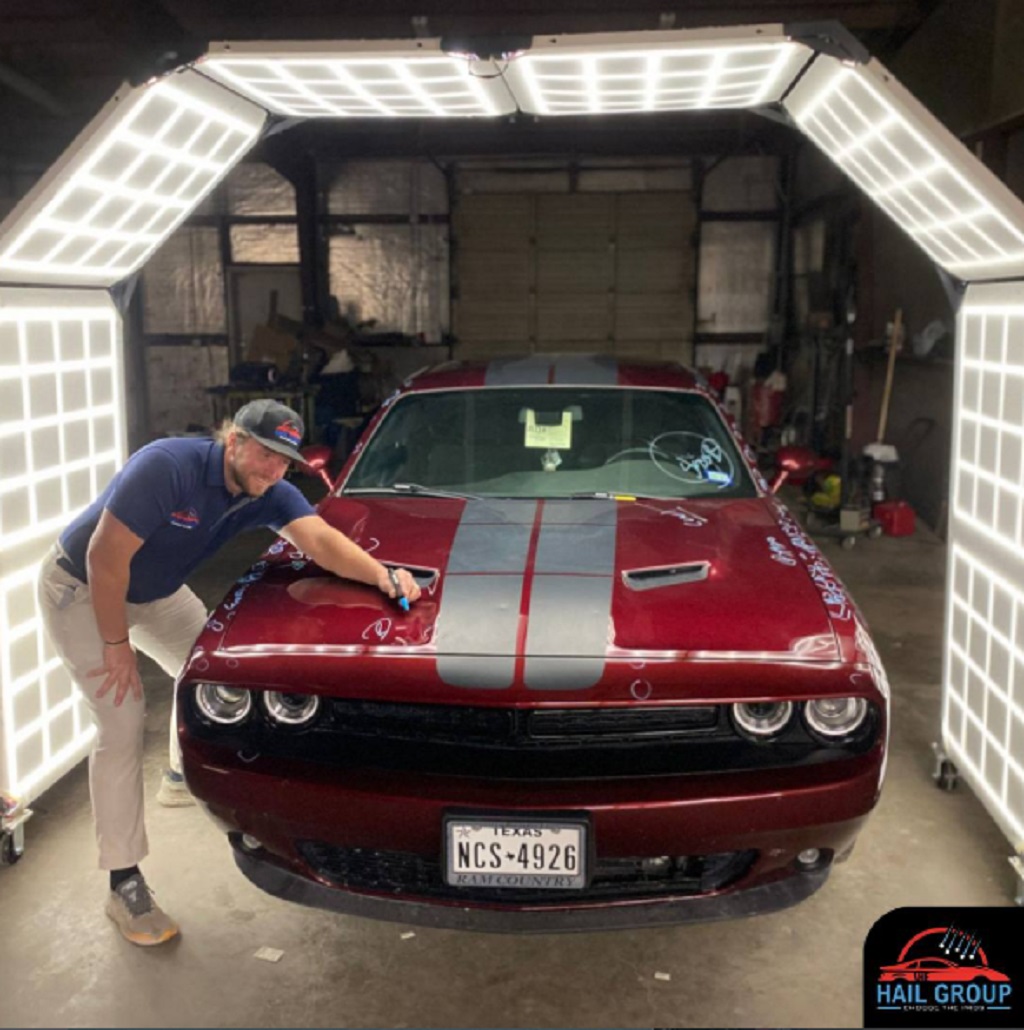
The technician moves your car into good lighting, ideally indoors or in the shade, and uses reflection boards to reveal dents the naked eye misses. They check every panel, including the roof, pillars, and rails, and record a dent count for each one. They also note any cracked paint, sharp creases, or other damage that might need conventional repair.
At the end, you should receive a clear damage report that you can share with your insurer. That report becomes the backbone of your claim, so a careful inspection pays off throughout the rest of the process.
Conclusion
The right technician makes all the difference in how your car looks after a hailstorm. Auto hail repair Glendale technicians with real hail experience fix every dent consistently, handle your insurance claim with confidence, and stick around to stand behind their work. Storm chasers and inexperienced crews may promise the same results, but they rarely deliver them as reliably.
Take a few minutes to ask questions, check for a local presence and a written warranty, and look at real examples of past work. Those small steps protect your car and your claim long after the storm passes.
Work With an Experienced Hail Team
The Hail Group focuses on paintless dent repair for hail-damaged vehicles, and our Phoenix area team serves Glendale and the rest of the West Valley. Our PDR specialists handle everything from light hail to heavy damage, work directly with your insurance adjuster, and back every repair with a lifetime warranty. We also offer a $0 deductible program for qualifying claims.
Book a free hail inspection with a team that knows hail.
Frequently Asked Questions
How can I tell if a hail repair company is a storm chaser?
Look for a local address, a long history of reviews in the area, and a written warranty. Storm chasers often operate from temporary locations, have few local reviews, and leave once storm work slows.
Do I have to use the repair shop my insurance company recommends?
In most cases, no. You can usually choose your own repair shop. Check your policy and ask your insurer if you have questions about your specific coverage.
What warranty should I expect on paintless hail repair?
Many reputable hail repair companies offer a written lifetime warranty on their work. Ask what the warranty covers, how long it lasts, and who honors it if a problem appears later.
How much experience should a hail repair technician have?
Look for someone who has worked through multiple hail seasons and repaired many vehicles with high dent counts. Ask to see examples of past hail repairs to judge their results.
Can I start repairs before my insurer approves the claim?
It’s usually best to file your claim and have the damage documented first. A hail specialist can inspect the car, share their findings with your adjuster, and help keep the claim and repair on the same timeline.

Josh Jones has been a pivotal part of The Hail Group for over 8 years, bringing his expertise in automotive repair, particularly in hail damage and Paintless Dent Repair (PDR). With a background in both technical and customer-facing roles, Josh is passionate about providing clear, informative content to help consumers make informed decisions about their vehicle maintenance. His goal is to simplify complex topics and ensure that every reader walks away with practical knowledge.
