
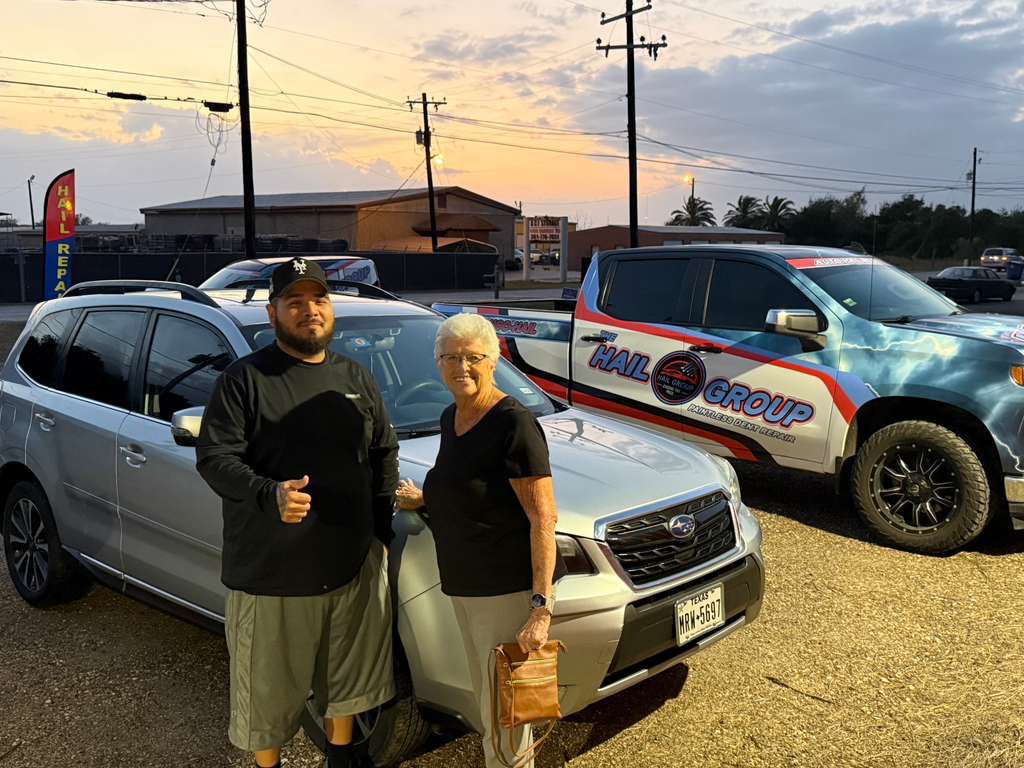
Hailstorms not only result in temporary inconveniences for car owners, but the damage they cause can be far more significant than initially apparent. What seems like cosmetic damage, dents and dings, may actually affect the vehicle’s long-term integrity. Even minor hail damage can lead to serious future problems. This blog will explore why repairing hail damage is not just about appearances but is essential for maintaining the vehicle’s functionality and safety.
How Hail Damage Harms Cars Beyond Visible Dings
Introduction to Hail Damage
Hailstorms can cause extensive damage to vehicles. While the obvious dents may seem like the only issue, the reality is that hail can impact the car’s underlying structure in ways that aren’t immediately visible. The damage caused by hail can stretch and deform the metal, potentially compromising the vehicle’s integrity even when the paint appears unaffected.
Areas Most Affected by Hail
The roof, hood, trunk, and door panels are the most susceptible to hail damage. These areas, especially where the metal is thinner or more exposed, are at high risk for significant deformation. Even if the paint remains intact, the underlying metal can be stretched or weakened, leaving it vulnerable to future problems like rust and corrosion.
The Importance of Immediate Action Following a Storm
Why Delaying Repairs Can Be Costly
The longer you wait to repair hail damage, the more serious the damage can become. Unattended hail damage can lead to issues like rusting, especially in places where the paint has been chipped away or compromised. Over time, these minor issues can escalate, turning into expensive repairs.
Proactive Measures to Prevent Future Damage
Promptly repairing hail damage helps prevent further deterioration of the vehicle. By acting quickly, you can avoid complications that may arise from rust or metal fatigue, ensuring your vehicle remains in top condition for longer. Timely repair also helps prevent hidden damage from worsening and becoming more difficult to fix.
The Relationship Between Hail Storm Damage and Vehicle Safety
Impact on Safety Features
Though hail damage may appear cosmetic, it can affect the safety of your vehicle. Damage to critical parts like the roof and hood can impact aerodynamics and structural integrity. These areas house important safety features, including airbags and sensors, which rely on precise panel alignment.
Hail Damage and Vehicle Functionality
Hail damage can disrupt the vehicle’s structural integrity, compromising the effectiveness of airbags, sensors, and safety systems. Repairing hail damage is essential not only for aesthetic reasons but also to ensure that the vehicle’s safety features are functioning properly. Delaying repairs could put you and your passengers at risk, making it critical to address hail damage as soon as possible.
Protecting Vehicle Value Through Effective Hail Damage Repair
How Hail Damage Affects Resale Value
Hail damage can significantly reduce the resale or trade-in value of your car. Even minor dents can give the impression of neglect, leading to a lower resale price. If you’re planning to sell your car, repairing hail damage promptly will ensure you get the best price for it.
The Role of Professional Repair in Value Retention
Proper repair methods, such as Paintless Dent Repair (PDR), can help preserve the car’s value by maintaining its original paint and structure. For car owners looking to sell or trade their vehicle, prompt hail damage repair can prevent further depreciation and protect the vehicle’s market value.
The Art of Repair and Its Related Processes
Traditional Body Repair vs. Paintless Dent Repair (PDR)
There are two primary methods for repairing hail damage: traditional body repair and Paintless Dent Repair (PDR). The method you choose will depend on the extent and nature of the damage.
- Paintless Dent Repair (PDR) is the most common and efficient method for minor to moderate hail damage. It involves gently massaging the metal back into its original shape without disturbing the vehicle’s original paint.
- Traditional Body Repair is necessary for more severe damage. This method involves filling dents, sanding, and repainting the damaged areas, but it can be more costly, time-consuming, and may result in mismatched paint.
Choosing the right repair method is crucial for ensuring that your vehicle is restored to its original condition. PDR is often the preferred choice for its speed, affordability, and ability to maintain the vehicle’s original finish.
The Need for a Professional Hail Damage Inspection
Why Inspections Are Crucial
Before beginning any repairs, a professional hail damage inspection is essential. An inspection goes beyond estimating the cost of repairs; it thoroughly assesses the extent of the damage, including hidden dents, metal stretching, and paint issues. This helps ensure that the repair process is accurate and that no damage is overlooked.
The Role of Inspections in Determining the Best Repair Method
A professional inspection also helps determine the most appropriate repair method, whether it’s PDR or traditional body repair. Skilled technicians will evaluate the depth of the dents, the condition of the paint, and the accessibility of panels to decide on the best solution.
Insurance Considerations That Make Repair Essential
How Hail Damage Affects Insurance Claims
Hailstorms can complicate the insurance claims process, especially if the damage is left untreated. Most insurance policies require that hail damage be repaired before a claim is processed. Failing to repair the damage promptly may lead to complications with your insurance coverage.
The Importance of Timely Repairs for Insurance Claims
Repairing hail damage promptly ensures that your insurance claim is valid and that the process goes smoothly. Proper documentation, including inspection reports and repair receipts, is essential for efficient claims processing. Timely repairs also help maintain the validity of your insurance coverage and prevent issues down the line.
Avoiding Long-Term Mechanical and Structural Issues
How Unattended Hail Damage Affects Vehicle Components
Hail damage isn’t just an aesthetic issue; it can lead to long-term mechanical and structural problems. Damage to panels can cause stress points around seams, brackets, and mounting hardware, leading to additional wear on other vehicle components.
The Risks of Delayed Repair
The longer hail damage is left untreated, the more likely it is that the vehicle’s internal components will be affected. Corrosion, for example, can spread from damaged panels, weakening the car’s structural integrity. Prompt repairs prevent these long-term issues, ensuring that the vehicle remains in good condition and functions properly.
Common Misconceptions That Lead to Delayed Repairs
Why Small Dents Matter
Many car owners mistakenly believe that small dents or cosmetic damage don’t require immediate attention. However, even minor hail damage can escalate into larger, more expensive repairs if not addressed quickly. Delaying repairs can also complicate insurance claims and lead to further structural issues.
The Cost of Waiting
Waiting to repair hail damage can be a costly mistake. Not only does it lead to more expensive repairs in the future, but it also increases the risk of long-term damage. It’s important to assess the damage early on and take action quickly to prevent further complications.
Making the Repair Process Less Overwhelming
Breaking Down the Repair Process
One of the best ways to reduce stress during the hail damage repair process is by breaking it down into clear steps. Start with a professional inspection, followed by selecting the appropriate repair method, and finally executing the repair with the help of skilled technicians.
Clear Communication and Documentation
Clear communication and documentation are essential for ensuring a smooth repair experience. When you know what to expect at each stage, it makes the entire process more manageable. Regular updates and transparent communication with the repair shop reduce uncertainty and help you stay informed throughout the repair process.
Conclusion: Why Addressing Hail Damage Is a Necessary Step Forward
Hail damage repair is not just a cosmetic fix; it’s essential for maintaining the safety, value, and long-term health of your vehicle. By addressing hail damage promptly, you protect your vehicle from further damage, preserve its resale value, and ensure that its structural integrity and safety features remain intact.
At The Hail Group, we specialize in thorough inspections, advanced repair techniques, and consistent communication to ensure that your vehicle receives the best possible care. By choosing professional repair methods, you protect both your car and your peace of mind, ensuring that your vehicle remains in excellent condition for years to come.
