Minnesota storms don’t hold back, and St. Paul drivers know it better than most. From late-spring squalls rolling off the plains to sudden summer storm cells over the Mississippi River valley, hail can turn a clean hood, roof, and trunk into a field of dents in a matter of minutes. If your vehicle has taken a beating, you’re not alone, and you don’t have to live with the damage or overpay to fix it.
This guide walks you through what causes hail damage repair in St. Paul, Minnesota how professional paintless dent repair works, what to expect from the insurance process, and how to choose a repair option that protects both your car’s value and your wallet.
St. Paul sits in a part of the Upper Midwest that regularly experiences severe convective storms during spring and summer. Warm, moist air moving up from the south collides with cooler air masses, creating the exact conditions that produce large hailstones. Neighborhoods throughout Ramsey County, from Highland Park to the East Side, can see damage ranging from light cosmetic dinging to deep, panel-warping dents depending on stone size and wind speed.
A few factors make this region particularly hail-prone:
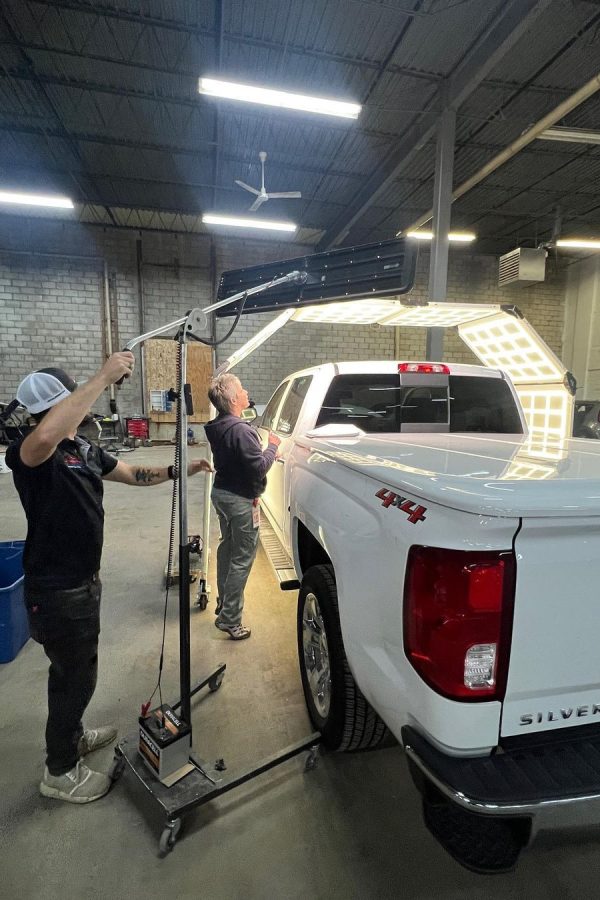
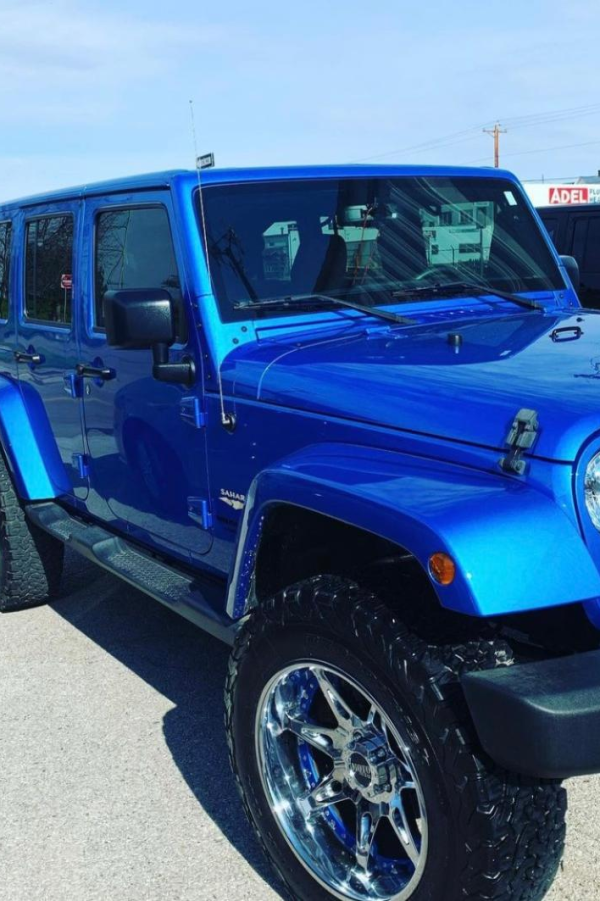
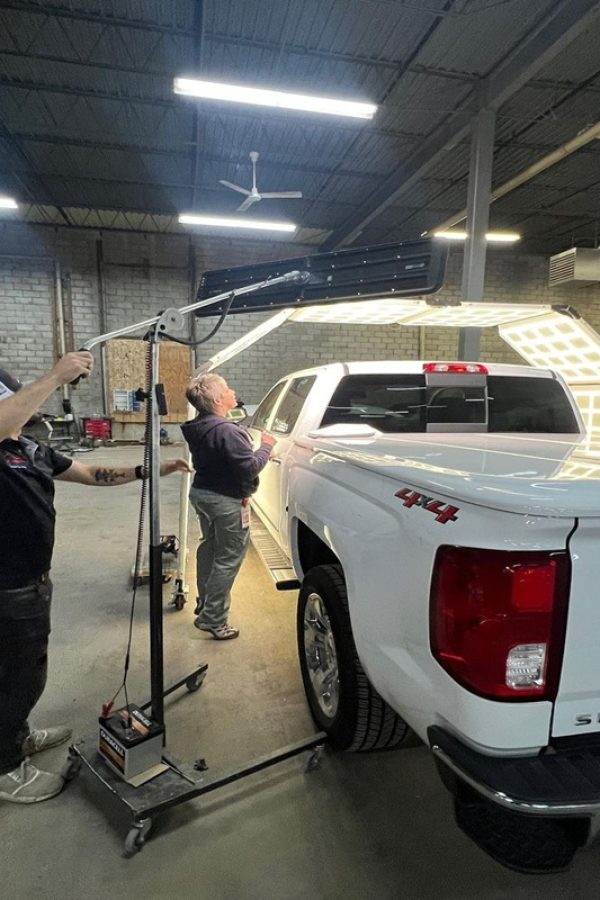
The industry standard for hail damage is paintless dent repair, commonly known as PDR. Unlike traditional body shop methods that involve sanding, filling, and repainting, PDR relies on specialized tools and techniques to massage each dent back into its original shape from behind the panel. Because the factory paint is never disturbed, the process preserves your vehicle’s original finish and resale value.
Here’s what the typical process looks like:
Because PDR doesn’t require repainting, most jobs are completed faster and at a lower cost than traditional collision repair, while keeping your car’s factory paint intact, which matters for both appearance and long-term resale value. On our automotive hail damage repair page, you can see the full scope of vehicle types and damage levels this process handles, and our auto body hail damage repair page breaks down when PDR is combined with traditional bodywork for more severe impacts.
Filing a hail damage claim in Minnesota is usually straightforward, but knowing what to expect ahead of time helps the process move faster and reduces the chance of surprises.
Step 1: Document the damage. Before anything else, take clear photos of every affected panel, ideally in daylight with the sun at a low angle so dents show clearly. Note the date of the storm, since Minnesota insurers often cross-reference weather data to confirm hail events in a specific ZIP code.
Step 2: Get a professional inspection. A trained technician can identify dents that are easy to miss with the naked eye, especially shallow dings on curved panels like fenders and roofs. This inspection becomes the basis for your repair estimate. If you’re unsure whether your vehicle even qualifies, our hail damage car roof inspection page explains what technicians look for and why roofs are often the most affected panel.
Step 3: File your claim. Most comprehensive auto insurance policies cover hail damage, since it’s classified as a weather-related, not at-fault, event. This generally means filing a claim for hail damage does not raise your rates the way an at-fault accident claim would, though policies vary, so it’s worth confirming details with your specific insurer.
Step 4: Choose your repair shop. In Minnesota, as in most states, you have the legal right to choose where your vehicle is repaired. Insurers may recommend a shop, but you are not obligated to use it. Choosing an experienced PDR specialist can mean a faster turnaround and a repair that avoids unnecessary paint work.
Step 5: Understand your deductible. Your out-of-pocket cost depends on your policy’s comprehensive deductible. For vehicles with lighter, more cosmetic hail damage, some drivers explore no-deductible repair programs; our hail damage repair no deductible page explains how these programs typically work and when they might apply.
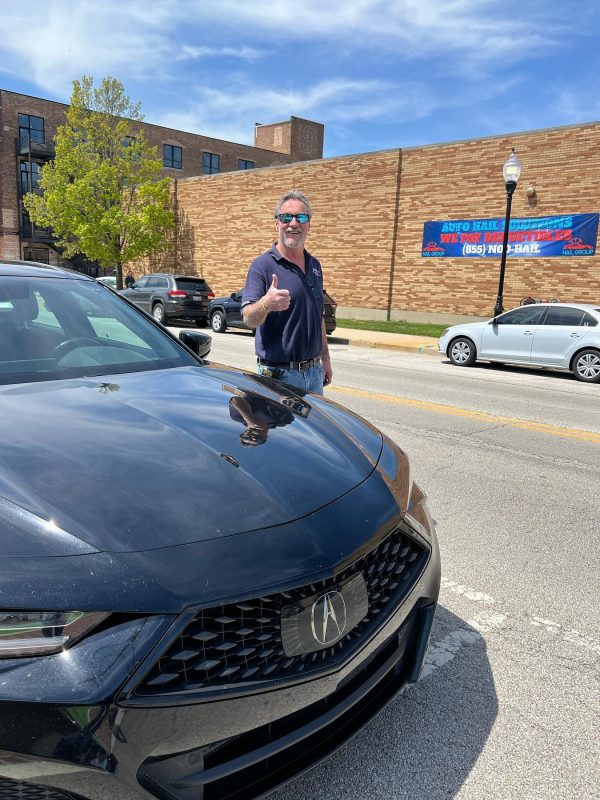
Minnesota’s hail season runs from May through August, with activity peaking in June and July when warm, humid air collides with cold fronts moving across the plains. The Twin Cities metro, including St. Paul, sits inside a well-documented high-frequency hail corridor that stretches through the Upper Midwest, meaning most local drivers will deal with at least one significant hailstorm every few years, not as a rare event but as a predictable seasonal risk.
A few Minnesota-specific facts are worth knowing before you file a claim:
Not all hail damage is easy to spot. Small dents on the roof, hood, trunk, or doors may only be visible under certain lighting. A professional inspection can identify hidden damage and help determine whether paintless dent repair (PDR) is the right solution.
In most cases, yes. If you have comprehensive auto insurance, hail damage is typically covered. Our team works directly with insurance providers to simplify the claims process and help ensure your vehicle is restored without unnecessary delays.
Repair time depends on the number and severity of the dents. Minor hail damage can often be repaired within a few days, while more extensive damage may require additional time. After inspecting your vehicle, we'll provide an accurate repair timeline.
No. Paintless Dent Repair (PDR) is designed to remove dents without sanding, fillers, or repainting, preserving your vehicle's factory finish whenever the paint has not been cracked or chipped.
Delaying repairs can lead to additional problems, including moisture intrusion, rust, reduced resale value, and potential complications with insurance claims. Prompt repairs help protect both your vehicle's appearance and long-term value.
Our Lifetime Warranty covers all repairs conducted by The Hail Group, providing you with comprehensive protection.
With our warranty, rest easy knowing your vehicle's repairs are guaranteed for life, underlining our commitment to long-term customer satisfaction.
As a family-owned business, we pride ourselves on honesty and reliability. Your trust is our top priority, and our warranty is our commitment to you.
Google Reviews

"Fine group of staff! Initially, I met Ben and Joe! I was sold on the service because of their professionalism! Later, I met Logan and Adrian. Great group to work with. I love the way my car turned out. It was worth the wait!"

"Completely awesome and great customer service. this is the second place i’ve been to trying to fix the hail damage on my car and they were the ones who could fix them the best!! like it never even happened!! awesome job!!"

"Amazing people and great service!! They were able to help get the dents out of my vehicle from a recent storm that had passed. Absolutely loved the experience, highly recommended!"