
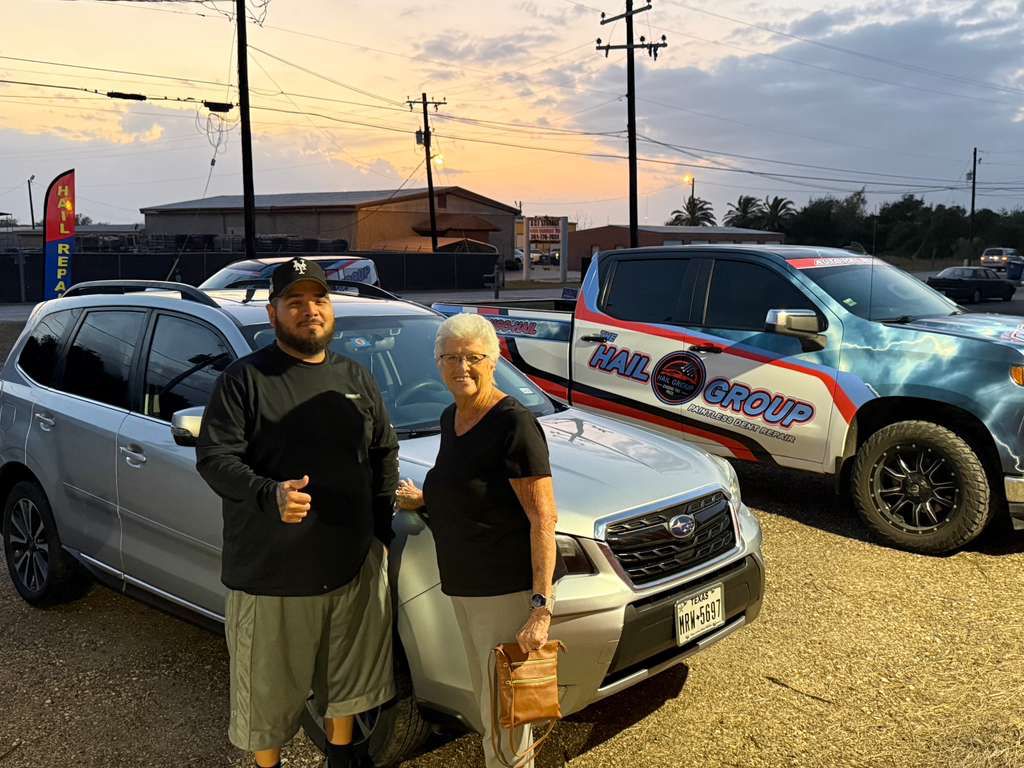
Your car still runs perfectly, but under sunlight, the dents show up like a rough texture across the hood and roof, and suddenly, it doesn’t feel “new” anymore. What looked fine in the shade now reflects uneven light, broken lines, and small shadows that weren’t there before.
You’re unsure whether this is a quick fix or something bigger. You don’t want repairs that leave paint mismatches, visible marks, or panels that look “worked on.” You want your car to look right again, clean, smooth, and natural.
This guide walks you through Hail Damage Repair to a car from Minor Dents to Full Restoration, helping you understand what different levels of hail damage really mean, which repair methods work best, and why starting with a free hail inspection gives you clarity instead of confusion.
What hail damage looks like on a car (and why it’s easy to underestimate)
Hail damage often begins with what feels like a harmless stage. In shaded areas, garages, or cloudy weather, dents can seem invisible. Once direct sunlight hits the surface, those small depressions suddenly appear across the hood, roof, or trunk. The human eye notices changes in reflection before it notices actual dents, which is why hail damage becomes far more obvious outdoors.
Instead of smooth mirror-like reflections, the paint begins to look wavy. Straight lines bend. Light scatters. This surface “grain” is what makes a vehicle look aged or damaged even when the paint itself is still intact. Over time, the visual effect becomes more frustrating, even if each dent is small.
Certain areas of a car are especially vulnerable after a storm. Roof panels take the most direct hits. Hoods and trunks show damage quickly because they’re flatter surfaces. Wind-driven hail often strikes the upper doors and fender tops as well. These zones collect clusters of dents that grow more noticeable as lighting changes throughout the day.
Hail damage severity explained from minor dents to full restoration
Minor hail damage usually involves shallow dents where the paint remains untouched. These dents might be limited to a hood, roof, or trunk panel and don’t involve sharp creases. This level of damage often feels cosmetic, but it can still heavily affect how the car looks in sunlight.
Moderate hail damage spreads across multiple panels with dents of varying depth. Some may be slightly sharper or more difficult to access. At this stage, dent mapping becomes critical because missed dents leave uneven surfaces after repair, making the car look half-fixed instead of fully restored.
Severe hail damage is where restoration-level planning becomes necessary. Dense clusters of dents cover large areas, and some impacts may crack paint or stretch metal beyond its original shape. The goal here isn’t simply improving appearance but creating a consistent, unified surface across every affected panel. This is where a proper free hail inspection matters most, as it forms the blueprint for high-quality restoration.
Hail Damage Repair to Car explained in simple terms: your repair options
Paintless Dent Repair, commonly called PDR, reshapes the metal from behind the panel without disturbing the factory paint. Skilled technicians slowly work each dent back into its original form using controlled pressure and precise lighting. Because the paint stays intact, the car keeps its original finish, color match, and texture.
PDR is often preferred because it avoids repainting risks. There’s no chance of mismatched colors, overspray, or texture differences. When done properly, the repaired area becomes nearly invisible under normal lighting.
Traditional body repair becomes necessary when paint cracks or metal stretches too far to return cleanly. This process involves filling damaged areas, refinishing the surface, and carefully blending paint so the panel looks natural. High-quality work is essential here, as poor blending or texture mismatch becomes obvious in sunlight.
Many vehicles need a blended approach, using PDR where possible and traditional repair where required. The key is consistency. Every panel should reflect light the same way so the car looks like one unified surface rather than a patchwork of fixes.
What happens during a proper free hail inspection
A real hail inspection is never rushed. Technicians move panel by panel using specialized lighting that reveals dents invisible to the naked eye. Roofs and hoods receive extra attention because of their vulnerability. Paint is examined closely to check for chips, cracks, or prior repairs that affect the repair approach.
Dent mapping is a critical part of this process. Each dent is documented so none are forgotten. This prevents the frustration of seeing small imperfections after the main damage is repaired. Mapping also helps determine the correct repair strategy for each panel.
After the inspection, you should receive a clear explanation of where damage exists, what repair methods are best suited for each area, realistic timelines, and what results to expect. This process is always a free hail inspection focused on clarity, not rushed estimates.
The repair process step by step
Before repairs begin, the vehicle is thoroughly cleaned so every dent can be seen accurately. Controlled lighting is set up to highlight surface imperfections. When needed, technicians carefully access interior panels without damaging trim or headliners.
During PDR, technicians constantly read reflections across the panel. Pressure is applied gradually to reshape the metal back into place. This isn’t forceful work, it’s slow, precise craftsmanship designed to recreate the factory surface.
Quality control separates basic repairs from true restoration. Panels are checked under multiple lighting angles and, when possible, natural sunlight. The goal is smooth, even reflections with no ripples, high spots, or tool marks. A final walkthrough ensures every panel looks consistent before the job is considered complete.
Minor dents vs. full restoration: timelines and outcomes
Repair time depends on how many dents exist, which panels are involved, how accessible the damage is, and overall severity. A few minor dents may take only days, while vehicles hit by major storms can require longer restoration periods, especially when many cars in the area are being repaired at once.
True full restoration should deliver a cohesive surface across all repaired panels. Reflections should appear straight and uninterrupted. There should be no obvious evidence of where work was done. Documentation of the repair process adds confidence for future resale or trade-in.
Realistic expectations matter. Most PDR results are nearly invisible. Severe damage may leave minimal signs depending on the metal stretch and paint condition, which is why inspection sets accurate goals from the beginning.
Mistakes that can leave visible marks or reduce value
Rushed repairs often create subtle waves that become obvious in sunlight. What looks fine indoors can look uneven outside. Speed-focused work sacrifices surface quality.
Repainting when it isn’t necessary introduces risks of color mismatch, overspray, and texture differences. Factory paint preservation usually supports better long-term appearance and resale value.
Skipping proper documentation removes proof of quality work. Before-and-after photos and clear repair records protect your investment and confirm the restoration was done correctly.
How to choose the right hail repair team
True quality comes from specialization. Teams experienced in hail damage understand dent patterns, metal behavior, and proper mapping techniques. Clear communication throughout the process keeps expectations aligned and reduces stress.
Strong quality control systems ensure no dents are missed, and every panel meets restoration standards. Technology should support transparency through documentation and progress tracking, not just marketing claims.
During your free hail inspection, smart questions reveal professionalism. Ask which panels qualify for PDR and why. Ask how dents are mapped and verified. Ask what final quality checks look like. Ask how the work is documented for resale confidence.
Red flags include rushed evaluations, vague repair explanations, confusion around inspections versus estimates, and overly bold promises without proper inspection.
Real-world examples from minor dents to full restoration
A vehicle with minor dents across the hood and trunk showed obvious rippling in sunlight. After careful PDR and quality checks, reflections returned to smooth and consistent with no visible repair traces.
Another car experienced moderate hail across multiple panels. Detailed dent mapping prevented missed damage. After the repair, each panel reflected evenly, restoring the car’s original appearance.
Severe storm damage on the roof and hood required a mixed approach. PDR addressed most dents, while traditional repair handled cracked paint areas. The final finish remained visually unified across the entire vehicle.
Conclusion
Hail Damage Repair to Car Explained should leave you informed and confident, not pressured or guessing. Minor dents can often be corrected cleanly and efficiently, while storm-level damage requires thoughtful restoration focused on surface consistency and skilled workmanship.
The best results always come from choosing repair methods based on actual damage, supported by detailed inspection and quality control. When done right, your car doesn’t look repaired; it looks restored, with clean reflections, smooth lines, and a finish that feels new again.
Schedule a free hail inspection with The Hail Group to understand the true scope of your vehicle’s damage and the most value-focused repair path forward, backed by advanced techniques, consistent communication, and a commitment to clean, high-quality results from start to finish.
Frequently asked questions
What is Paintless Dent Repair (PDR), and is it safe for factory paint?
Paintless Dent Repair reshapes the metal without disturbing the factory paint, making it one of the cleanest and safest methods for restoring hail-damaged vehicles. Most hail dents, especially shallow and smooth ones, can be repaired this way. However, dents where the paint is cracked, chipped, or the metal is overstretched may require traditional refinishing to achieve a flawless finish.
Can roof damage be repaired easily?
Roof dents are often numerous and subtle, making them difficult to see without specialized lighting. A professional free hail inspection ensures every dent is identified. When paint is intact, PDR can typically restore roof panels efficiently. If the paint is chipped or cracked, conventional repair may be necessary to prevent corrosion and maintain a uniform appearance.
Does hail repair affect my car’s resale or trade-in value?
High-quality hail repair that preserves the factory paint usually protects or even enhances resale value. Maintaining the original finish ensures the vehicle looks consistent and well-cared-for, which strengthens buyer confidence. Documentation of inspections and repairs also supports future transactions by proving the vehicle’s history and the care taken during restoration.
How long does hail repair take?
Repair timelines vary depending on the severity of the hail damage, the number of affected panels, and regional storm volume. Small, shallow dents may be repaired quickly with PDR, while larger areas or blended repairs that include refinishing can take longer. A free hail inspection provides a clear understanding of the expected timeline before work begins.
How do I know if my paint is intact or needs refinishing?
Intact paint shows no chips, cracks, flaking, or spidering. If the clear coat is continuous and the surface is smooth, PDR is usually the preferred option. Signs of damaged paint—such as chips, cracks, exposed primer, or flaking edges—indicate that traditional refinishing is necessary to restore the vehicle’s protection and appearance.
Will PDR remove all hail dents completely?
Paintless Dent Repair works best on dents where the metal has not been overstretched or sharply creased. Small to medium shallow dents are usually fully restored. Very sharp dents, deep creases, or areas with paint damage may require a blended approach or traditional repair, but PDR can still address the majority of suitable dents for a clean, uniform finish. What happens during a free hail inspection?
During a free hail inspection, technicians examine each panel under specialized lighting to identify dent size, depth, and density. They assess paint condition, material type, and structural features such as braces and supports. Dent mapping is conducted to ensure no dents are missed, and the vehicle owner receives a detailed plan explaining whether PDR, traditional repair, or a blended approach is recommended. This inspection focuses on accuracy and clarity, not estimates or quotes.
