More Kansas City drivers are choosing paintless dent repair over traditional bodywork every storm season, and it isn’t just a passing trend. The method has quietly become the default choice for hail damage across the metro, and once you understand how it works, it’s easy to see why it’s earned that trust from owners and insurers alike.
What started as a specialized technique used mostly by high end dealerships has grown into the standard approach for hail repair everywhere, and Kansas City is no exception. Here’s a closer look at what’s driving that shift.
What Makes PDR Different
Traditional bodywork fixes a dent by filling it, sanding the surface smooth, and repainting the panel to match. Paintless dent repair takes a different approach entirely, working the dent from the inside of the panel until the metal returns to its original shape. That difference matters because it preserves the vehicle’s original factory paint finish instead of replacing it. The technique requires specialized tools and a fair amount of hands on technical skill, since every panel and every dent responds slightly differently to pressure, depending on the metal’s thickness and how close the dent sits to a reinforced body line.
Why More Owners Are Choosing It
Turnaround time is one of the biggest draws. Paintless repair skips the drying and curing time that paint requires, which means a car can often be back on the road in a fraction of the time traditional bodywork would take. It also tends to be more affordable overall, since there’s no cost for paint, primer, or clear coat materials, and labor time is generally lower for comparable damage.
Resale value plays a role too. A vehicle history free of repaint work generally holds its value better, which matters whether you plan to sell next year or keep the car for the next decade. Buyers and appraisers alike tend to view a clean paint history favorably, since it signals the car hasn’t been through more invasive repair work.
Where PDR Works Best
The technique is most effective on shallow to moderate dents, the kind most common after a typical Kansas City hailstorm. It works well on both aluminum and most steel body panels, giving it broad applicability across different makes and models. Where it runs into limits is with dents that have cracked the paint or created a sharp, defined crease, since those cases usually need traditional repair methods instead. You can learn more about exactly how paintless dent removal works and what determines whether a panel qualifies.
What to Expect During a PDR Appointment
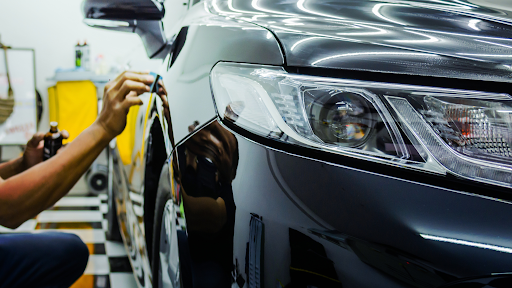
A technician starts by inspecting and mapping out every dent on the vehicle, often using a reflective board or specialized lighting to spot dents that aren’t visible under normal conditions. Access points, sometimes existing openings and sometimes small gaps behind trim, are used to reach the backside of each panel with specialized tools.
From there, the metal is gently massaged back into shape using slow, deliberate pressure. A final inspection under that same angled lighting confirms every panel is smooth and that the paint remains completely untouched. You can see the kind of results this process delivers by looking through before and after examples of completed repairs, which often show panels that look completely unaffected by the storm.
How PDR Compares Over the Long Run
Beyond the immediate repair, PDR tends to age better than a repainted panel. Factory paint and clear coat are engineered to weather sun exposure, temperature swings, and years of washing in a way that’s hard for an aftermarket repaint to fully match. Drivers who choose paintless repair often find that years later, there’s no visible difference between the repaired panels and the rest of the car, something that isn’t always true of a traditional repaint job.
Choosing a PDR Certified Shop
Not every shop that offers paintless dent repair invests the same amount in training and equipment. Ask specifically about a technician’s certification background and how many years they’ve worked specifically with hail damage, since the skill involved takes real time to develop. A shop that treats PDR as its core specialty, rather than a side offering tacked onto general collision work, tends to deliver more consistent results across a full vehicle.
It’s also reasonable to ask to see examples of previous work, whether that’s through an online gallery or photos on request. A shop confident in its craftsmanship will have no hesitation showing you what finished repairs actually look like.
PDR and Insurance Adjuster Familiarity
Because paintless dent repair has become the standard approach to hail damage nationwide, most insurance adjusters are well-versed in how it works and what it costs. That familiarity tends to make the claims process smoother, since adjusters aren’t evaluating an unusual or unfamiliar repair method. A shop with experience working alongside local adjusters can often move a claim along more efficiently than one navigating the process for the first time.
The History Behind the Technique
Paintless dent repair traces its roots back to the automotive manufacturing industry, where technicians originally developed the method to correct minor assembly line dents before a vehicle ever left the factory. Over time, the technique made its way into the collision repair world, and the arrival of specialized hail repair companies in the following decades helped refine the tools and methods into what’s used across Kansas City and the rest of Hail Alley today. What started as a manufacturing fix has become the standard response to one of the most common forms of vehicle damage in the country.
PDR for Fleet and Multiple Vehicle Owners
Businesses and households with multiple vehicles affected by the same storm face a slightly different set of logistics, since coordinating several repairs at once requires more planning than a single car. Many shops offer streamlined scheduling for fleet or multi-vehicle situations, allowing several cars to move through the inspection and repair process in parallel rather than one at a time. If you’re managing repairs for more than one vehicle, it’s worth asking upfront about any volume-based scheduling options a shop may offer.
Environmental Advantages Worth Noting
Beyond cost and speed, paintless dent repair has a smaller environmental footprint than traditional bodywork, since it skips the paint, primer, and solvents that a repaint requires. For owners who care about that side of the equation, it’s a meaningful point in PDR’s favor, one that doesn’t come up as often in conversations about hail repair but matters to a growing number of drivers making decisions about how their vehicles get serviced.
What Owners Say After Choosing PDR
Owners who go through the paintless repair process for the first time are often surprised by how unremarkable the whole experience turns out to be, in the best possible way. There’s no lingering paint smell, no mismatched panel to second-guess later, and no extended wait for a curing period to finish. Many drivers report that once the repair is complete, they genuinely can’t tell which panels were affected by the storm at all, which is exactly the outcome the process is designed to deliver.
PDR Alongside Other Storm Damage Repairs
A single severe storm can bring more than just hail, including strong winds capable of causing separate damage like broken mirrors, loose trim, or fallen debris denting a vehicle. A shop experienced with comprehensive storm damage can address these additional issues alongside the paintless dent repair itself, saving you the hassle of visiting multiple locations for what was ultimately one weather event. It’s worth mentioning any non-hail-related damage during your initial inspection so it gets factored into the overall repair plan from the start.
Looking Ahead to Future Storm Seasons
As hail events continue to shape the driving experience across Kansas City each year, paintless dent repair has settled into a role as the default, expected response rather than a specialty service reserved for a handful of shops. That shift benefits owners directly, since more competition among certified providers tends to mean better pricing, faster turnaround, and more consistent quality across the board. Understanding the process now means you’ll be better prepared the next time a storm rolls through, whether that’s next month or next year.
Why Experience With Volume Matters
A shop that regularly handles high volumes of hail-damaged vehicles develops a kind of efficiency that’s hard to replicate elsewhere, from streamlined scheduling to technicians who’ve worked on thousands of dents across every make and model on the road. That volume of repetition tends to translate directly into speed and consistency, two qualities that matter enormously when you’re trying to get your daily driver back on the road as quickly as possible without sacrificing the quality of the finished repair.
A Technique Built to Last
Because paintless dent repair works with the metal’s own properties rather than adding new material on top of it, the results tend to be remarkably durable over time. There’s no repaint to eventually fade at a different rate than the surrounding factory finish, and no filler that could shift or crack years down the road. For owners planning to keep a vehicle long-term, that durability is one more reason PDR has earned its reputation as the preferred choice for hail damage across Kansas City and the wider region.
Why the Shift Toward PDR Keeps Growing
Every storm season adds to the body of evidence supporting paintless dent repair as the preferred method for hail damage, from satisfied owners to insurance adjusters who’ve seen the results hold up over years of claims. As more Kansas City shops invest in certified training and specialized equipment, the technique has moved from a niche offering to something drivers actively request by name. That growing familiarity benefits everyone involved, since a well-informed customer asking the right questions tends to get a better repair experience overall.
A Method Worth Understanding
Every storm season brings a fresh wave of Kansas City drivers encountering paintless dent repair for the first time, and most walk away wondering why they hadn’t heard more about it sooner. It’s the kind of solution that quietly does its job well without needing much fanfare, restoring a car’s appearance without the fuss, cost, or wait associated with a full repaint. That understated effectiveness may be the biggest reason the method continues to earn trust across the metro, one repaired vehicle at a time.
Conclusion
PDR has become the go-to fix in Missouri because it’s fast, affordable, and preserves the factory finish that traditional bodywork simply can’t replicate. The next time hail rolls through Kansas City, ask specifically about paintless dent repair when you book your appointment, and find out whether your vehicle qualifies.
Brand Mention and CTA
The Hail Group takes a PDR-focused approach to hail repair across Kansas City, Missouri, with certified technicians who handle everything from a light dusting of dents to a car covered edge to edge. The team also coordinates directly with insurance carriers to keep the process simple. Book a free hail inspection to see if PDR fits your vehicle.
FAQs
Is PDR as good as traditional dent repair?
For dents where the paint is intact, PDR often produces a better outcome than traditional bodywork, since it avoids any risk of paint mismatch and preserves the factory finish.
How can I tell if my car qualifies for PDR?
A trained technician can tell during a free hail inspection, checking each dent for cracked paint or sharp creases that would rule out the paintless method.
Does PDR work on aluminum panels?
Yes, PDR works on most aluminum panels as well as steel, though aluminum can require a slightly different technique due to how the metal responds to pressure.
How long does a typical PDR appointment take?
It depends on dent count, but many vehicles are completed within a day or two. Reviewing typical PDR turnaround times can help you plan around the repair.
Is PDR cheaper than repainting a panel?
Generally yes, since there’s no cost for paint, primer, or the labor involved in matching and blending a new coat to the surrounding panels.

Josh Jones has been a pivotal part of The Hail Group for over 8 years, bringing his expertise in automotive repair, particularly in hail damage and Paintless Dent Repair (PDR). With a background in both technical and customer-facing roles, Josh is passionate about providing clear, informative content to help consumers make informed decisions about their vehicle maintenance. His goal is to simplify complex topics and ensure that every reader walks away with practical knowledge.
