If a spring storm has left your hood, roof, and fenders looking like a hammered copper pot, you need auto hail damage repair Overland Park drivers can count on, one that fixes the metal without wrecking your factory finish.
The Kansas City area sits inside the corridor many people call Hail Alley, a stretch of the central United States where warm, moist air from the Gulf collides with cooler, drier air coming off the Rockies. That collision builds the tall, violent thunderstorms that produce hail. Overland Park, sitting in the middle of that pattern, sees the same cycle most years: a warm stretch in March or April, a line of storms rolling in from the west, and a morning of drivers walking out to see what happened overnight.
Hailstones do not have to be large to cause trouble. Quarter-sized stones can leave shallow, round dimples across every horizontal panel. Golf-ball-sized stones can leave deeper dents with sharper edges, and they can crack windshields and rear glass. Wind-driven hail adds another layer, because stones hit at an angle and dent door panels and quarter panels that would otherwise be spared.
Here is where Overland Park drivers tend to get caught off guard:
If your vehicle was outside during a storm, assume it needs a professional look. Dents tend to be easier to correct when the damage is fresh, and an early inspection also gives you time to line up an insurance claim before storm-season repair schedules fill up. Our guide on signs your vehicle needs hail repair covers what to check in the first few days after a storm.
Most hail repair today follows the same basic path, and understanding it helps you spot a shop that is cutting corners.
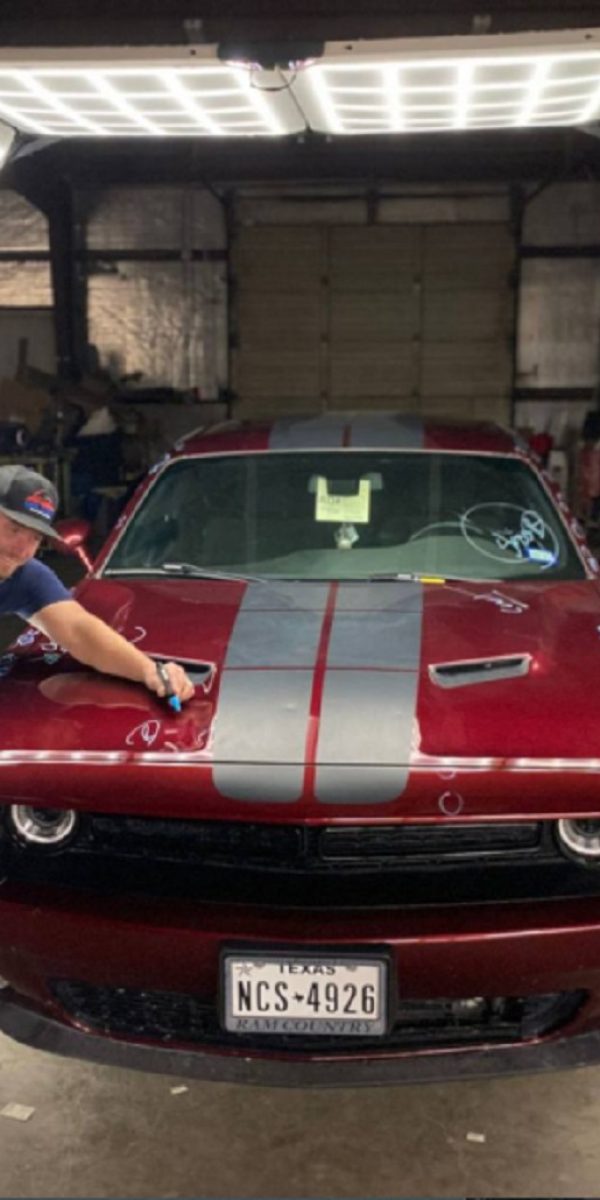
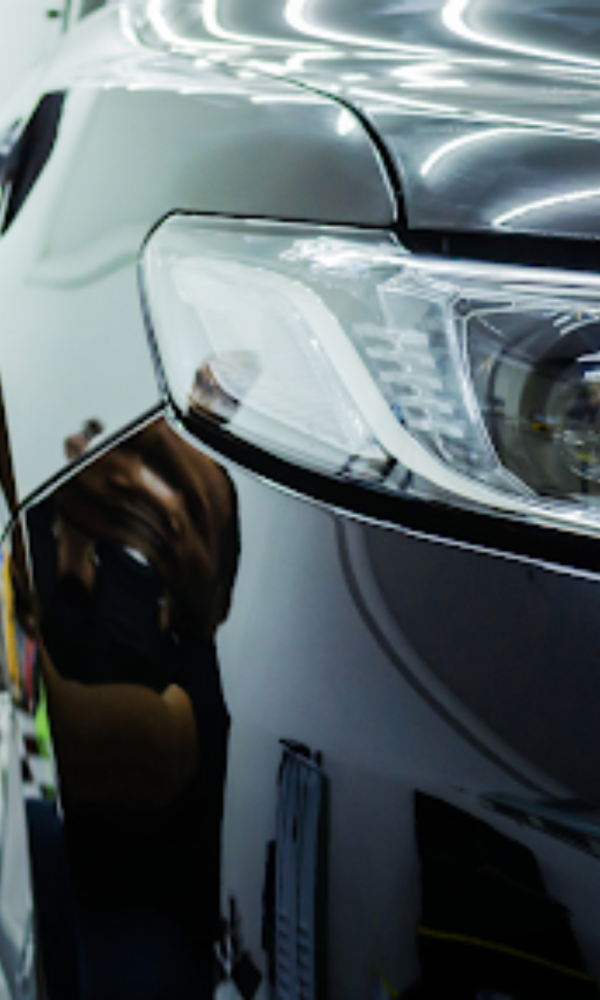
Step one: the inspection. A technician examines every panel under controlled lighting, usually with a reflection board or a specialized lamp that makes dents stand out. Each dent is counted and logged by panel. This matters because the dent count and the size and depth of each dent are what drive both the repair plan and the estimate. Ask for the count by panel. If a shop gives you a single lump-sum number without a breakdown, ask why.
Step two: sorting panels by repair method. Not every dent responds the same way. Shallow, rounded dents where the paint is intact are good candidates for paintless dent repair, usually shortened to PDR. Deeper creases, dents near a panel edge, or spots where the paint has chipped or cracked may need traditional bodywork. A good estimate will separate the two and explain why.
Step three: the repair. In PDR, the technician gains access behind the panel and uses long, specialized tools to apply slow, controlled pressure, pushing the metal back to its original shape a little at a time. Nothing is filled, sanded, or repainted, which is why the factory finish stays intact. On panels with limited rear access, technicians may use glue-pulling techniques from the outside instead. Our overview of how the car hail dent repair process actually works goes deeper into the physics, including why temperature and panel shape change how a dent responds.
Step four: quality control. After the repair, the technician checks each panel under light again. The goal is a surface that looks flat from every angle, not just from the one the camera happens to catch.
Step five: the final walkaround. You should be able to look over the vehicle with the technician and confirm the work. This is also the moment to ask about warranty coverage for the repair.
One more point worth knowing: because PDR does not touch the factory paint, it does not interfere with your manufacturer’s paint warranty, and it avoids the color-matching problems that come with repainting. Most hail damage in this region can be handled this way, and drivers who want a clear picture of what that looks like in practice can read our guide to what to expect from auto hail damage repair.
For most people, the stressful part of hail damage is not the dents. It is the claim. Here is how it typically works, and how to stay in control of it.
Hail damage is usually a comprehensive claim. If you carry comprehensive coverage on your auto policy, hail damage generally falls under it rather than under collision. Comprehensive claims for weather events typically do not count the same way an at-fault accident does, but policies and carriers differ, so confirm the details with your own insurer.
Document before you call. Take clear photos of the vehicle in daylight, from several angles, and note the date and location of the storm. If you have a weather alert or a screenshot of local storm reports, save it. This does not replace the adjuster’s inspection, but it gives you a record.
Know your deductible. Comprehensive deductibles vary widely, from a few hundred dollars to over a thousand. Your deductible is your out-of-pocket cost for an insured repair, so it is worth knowing before the estimate arrives. Some shops can talk through options for keeping that cost down, but be careful with anyone who promises to waive a deductible outright, since rules about deductible handling vary and a promise like that deserves a close read.
Get a line-item estimate. Whatever the adjuster writes, a repair shop’s estimate should list panels, dent counts, and the repair method for each. Differences between the adjuster’s figure and the shop’s figure are common after hail, because additional dents often show up once panels are examined closely. A shop that handles claims regularly will know how to submit a supplement when that happens.
You choose the shop. Insurers may suggest preferred shops, but in most cases the decision about where to have the vehicle repaired is yours. Pick a shop for its hail experience, not just for convenience.
A hailstorm brings out a lot of new faces. Some are experienced specialists. Others are out-of-state crews who arrive after a storm and leave a few months later. Your repair needs to hold up for as long as you own the car, so choose carefully.
Look for hail-focused experience. A technician who works on hail dents every week develops speed and a feel for the metal that a general body shop cannot match. Ask how long the shop has been repairing hail, and whether technicians are certified in paintless dent repair specifically.
Ask about warranty. A written warranty on the repair is a sign the shop stands behind its work. Ask what it covers and for how long, and get it in writing.
Check local presence. Storm chasers can be fine, but you want someone you can reach in six months if a panel needs a second look. Ask where the work will be done and who to call afterward.
Request the itemized estimate. As noted above, it should break out panels, dent counts, and repair methods. Vague quotes are a warning sign.
Confirm they work with insurers. A shop used to handling claims will coordinate with your adjuster, submit supplements when needed, and keep the paperwork moving.
Read the reviews, then ask questions anyway. Reviews are useful, but a quick phone call tells you plenty about how a shop communicates.
The Hail Group offers free hail inspections, certified paintless dent repair, insurance claim support, and a written lifetime warranty on completed repairs for drivers across the Kansas City metro, including Overland Park. If your vehicle took a beating in the last storm, start with a no-cost inspection to find out exactly what you are dealing with and which repair path makes sense. For a broader look at how the process works across the metro, our straightforward guide to Kansas City auto hail damage repair is a good place to continue.
Call 855-666-4245 or request your free inspection today, and get your auto hail damage repair in Overland Park scheduled before the next storm season fills the calendar.
Overland Park sits in “Hail Alley,” where warm Gulf air meets cooler Rockies air and fuels violent storms. Most years, a spring storm line rolls through and leaves dents behind.
Yes. Most hail damage can be fixed with paintless dent repair (PDR), where technicians gently push the metal back into shape. The factory paint stays intact, so there is no color-matching problem and your paint warranty is not affected.
Hail damage usually falls under comprehensive coverage, and you pay only your deductible. Policies differ, so confirm the details with your insurer.
It depends on the dent count, the panels involved, and whether any traditional bodywork is needed. A light hail event may take just a few days, while a heavily damaged vehicle takes longer.
Choose a shop with hail-focused experience, certified PDR technicians, and a written warranty. It should also give you an itemized estimate with dent counts by panel and be used to handling insurance claims.
Google Reviews
Our Lifetime Warranty covers all repairs conducted by The Hail Group, providing you with comprehensive protection.
With our warranty, rest easy knowing your vehicle's repairs are guaranteed for life, underlining our commitment to long-term customer satisfaction.
As a family-owned business, we pride ourselves on honesty and reliability. Your trust is our top priority, and our warranty is our commitment to you.