Minnesota’s weather does not play favorites. From April through September, Saint Paul sits squarely in the path of severe storm systems that sweep across the Upper Midwest, dropping hailstones that range from pea-sized pellets to golf-ball chunks capable of punching through sheet metal. A single storm cell can blanket an entire neighborhood in minutes, leaving hundreds of vehicles covered in dents, cracked glass, and compromised paint damage that only worsens if left unaddressed.
Auto hail repair in St. Paul, Minnesota, is not a luxury or an optional errand you can delay. Hail damage affects far more than a car’s appearance. Dented panels trap moisture against the metal substrate, accelerating rust from the inside out. Fractured paint seals allow UV exposure and road contaminants to penetrate the clear coat. Even minor denting distributed across a roof and hood can quietly lower a vehicle’s resale value by thousands of dollars. Treating hail damage quickly and correctly is the only way to protect your investment and keep your vehicle performing the way it should.
St. Paul drivers face an additional challenge: the sheer volume of vehicles needing repair after a significant storm. Shops fill up fast, wait times stretch, and many vehicle owners end up settling for rushed work or substandard materials simply because they could not find a qualified provider quickly enough. Knowing where to turn before a storm hits and understanding what quality repair actually looks like gives you a decisive advantage.

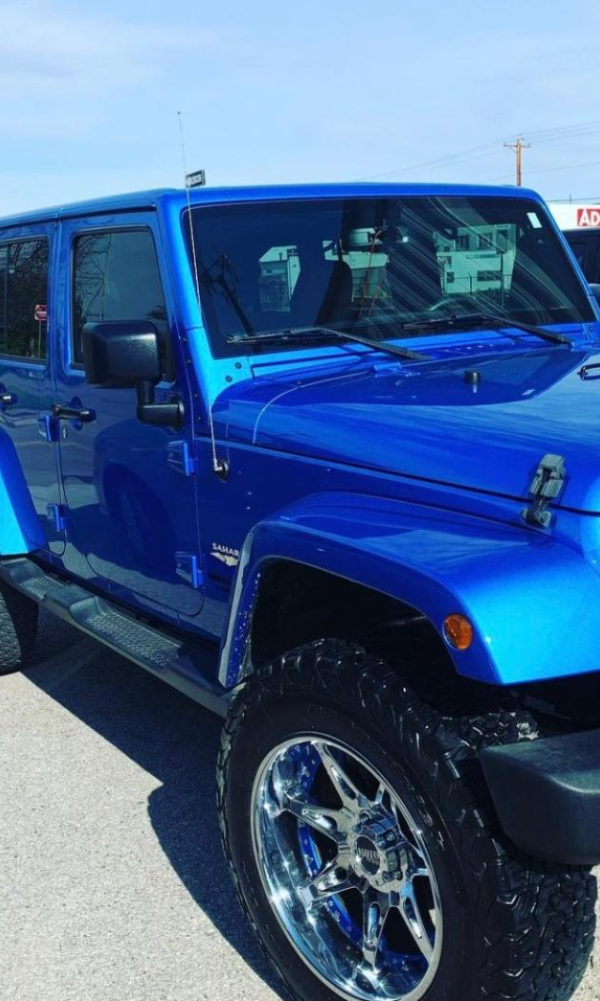
The gold standard for auto hail repair in St. Paul, Minnesota, is paintless dent repair, commonly known as PDR. Unlike traditional body shop methods that involve sanding, filling, and repainting, PDR restores dented panels by working the metal back to its original contour from behind, without ever breaking the factory paint surface.
The process begins with a thorough damage assessment. Technicians use specialized lighting boards to cast even illumination across each panel, making even the shallowest dents visible as reflections in the light source. Each dent is catalogued by size, depth, and location. This inspection is critical: a single panel may contain dozens of dents of varying severity, and a complete, accurate count ensures nothing is missed.
Once the assessment is done, technicians access the back side of each panel using a combination of metal rods and body picks. Working carefully from below and behind the dent, they apply precisely controlled pressure to gradually massage the metal back to its factory profile. The technique requires significant skill and patience;rushing the process can over-stretch metal, leaving a permanent high spot that is actually harder to correct than the original dent.
PDR preserves your vehicle’s factory paint finish, which is a significant advantage for resale value. Modern factory paint applications include multiple bonded layers, primer, color coat, and clear coat, which no aftermarket repaint can fully replicate. Maintaining the original finish keeps your vehicle’s certification history intact and signals to any future buyer or appraiser that the car has not undergone panel replacement or respray work.
To understand the full scope of what PDR can accomplish for hail-damaged vehicles, see our detailed guide on how paintless dent removal works and learn what to expect at every stage of the repair process.
Not every dent qualifies for PDR. Very deep impacts, dents located near panel edges or body lines, and damage where the paint has already cracked may require conventional repair. An honest and thorough initial assessment will tell you exactly which approach each panel needs, and any shop that recommends PDR for everything without inspecting first is cutting corners.
Auto hail repair in St. Paul, Minnesota demands technicians who combine precision with speed, because the repair window after a significant storm is shorter than most people expect. Insurance approvals, rental coverage, and parts availability all have timelines, and experienced providers understand how to work within those windows without sacrificing quality.
The Hail Group brings mobile and shop-based automotive hail damage repair capabilities designed specifically for high-volume hail events. When a storm hits an area, the ability to deploy quickly and serve affected communities directly, rather than waiting for vehicle owners to travel to a fixed location, dramatically reduces turnaround time and improves access for drivers whose daily routines depend on their vehicles.
When evaluating any provider for auto hail repair in St. Paul, Minnesota, the quality of auto body hail damage repair workmanship should be your primary filter. Ask to see before-and-after documentation on similar vehicles. Confirm that technicians are I-CAR trained or carry equivalent credentials. Verify that the shop can work directly with your insurance carrier and has experience supplementing claims when initial adjuster estimates fall short. A reputable provider will also warranty their PDR work, giving you recourse if any dent returns, a rare occurrence when the repair is done correctly, but meaningful protection regardless.
Insurance navigation is a significant part of the repair experience for most St. Paul hail victims. Minnesota comprehensive coverage applies to hail damage, and your deductible is the only out-of-pocket cost you should expect in most cases. A provider experienced in storm damage claims will review your policy, communicate directly with your adjuster, and help ensure that nothing is left on the table. You should not have to become an insurance expert to get your vehicle fully repaired after a storm that was not your fault.
Auto hail repair in St. Paul, Minnesota, done right restores your vehicle to its pre-storm condition, same paint, same panels, same structural integrity, with no evidence that it was ever caught in the storm in the first place.
St. Paul sits inside a well-documented hail corridor that runs through the Upper Midwest, and the Twin Cities region consistently ranks among the more hail-prone metro areas in the country. Minnesota’s hail season peaks from May through August, when warm, moisture-heavy air collides with fast-moving cold fronts to produce the supercell storms that generate the largest stones. If your vehicle is parked outdoors anywhere in the East Metro during these months, it is statistically in the path of risk every season, not just in an unlucky year.
That risk is not confined to one part of the city. We see storm damage across St. Paul neighborhoods including Highland Park, Como, Summit-University, Downtown, West Seventh/West End, Dayton’s Bluff, and Macalester-Groveland, as well as in the surrounding suburbs of Maplewood, Roseville, West St. Paul, Woodbury, Eagan, and Mendota Heights. A single storm track can move through several of these areas in the same afternoon, which is why mobile repair capacity across the whole Twin Cities footprint matters as much as shop quality.
Insurance is often the part of this process Minnesota drivers understand least. Minnesota is a no-fault auto insurance state, but that system governs injury claims through personal injury protection (PIP); it does not apply to vehicle damage. Hail damage to your car is handled under your comprehensive coverage, a separate part of your policy that also covers things like theft, vandalism, and animal strikes. In practice, this means your deductible is typically the only cost you should expect to pay out of pocket, and you are entitled to choose your own repair shop rather than being steered to a specific provider by your insurer. Knowing this distinction before you file a claim puts you in a much stronger position to get your vehicle fully restored.
It is best to schedule auto hail damage repair as soon as possible after the storm. Prompt repairs help prevent moisture from reaching exposed metal, reduce the risk of rust, preserve your vehicle's resale value, and make the insurance claims process smoother before repair shops become heavily booked.
Paintless Dent Repair (PDR) is the preferred solution for most hail damage when the factory paint has not been cracked or chipped. Skilled technicians can remove many dents without sanding, filling, or repainting, helping preserve your vehicle's original finish and value.
In most cases, no. Hail damage is generally covered under comprehensive auto insurance as a weather-related event, not an at-fault accident. Because it is considered an act of nature, filing a qualifying hail damage claim typically does not increase your insurance premiums.
Repair times depend on the number of dents, the severity of the damage, and whether replacement parts are needed. Minor hail damage may be completed within a few days, while more extensive repairs can take longer. Your repair provider can provide a timeline after inspecting the vehicle.
Scheduling an appointment is recommended, especially after major hailstorms when repair shops experience high demand. A professional inspection ensures all visible and hidden hail damage is documented accurately, allowing you to receive a detailed repair estimate and begin the insurance claim process quickly.
Our Lifetime Warranty covers all repairs conducted by The Hail Group, providing you with comprehensive protection.
With our warranty, rest easy knowing your vehicle's repairs are guaranteed for life, underlining our commitment to long-term customer satisfaction.
As a family-owned business, we pride ourselves on honesty and reliability. Your trust is our top priority, and our warranty is our commitment to you.
Google Reviews